Treatment of caries in baby teeth and its complications



Caries in children develops faster than in adults because the enamel of baby teeth is thinner and softer. Without timely intervention, the decay quickly reaches the nerve and causes pain or inflammation.
At Belaya Raduga treatment is gentle and calm:
- digital anesthesia is used for pain relief — no syringe, no unpleasant sensations
- carious tissue is removed by a microabrasive method, without 'drilling' or vibration
- the tooth is restored with a light-cured material, safe even for the youngest patients
We always try to keep the tooth alive and avoid unnecessary intervention.


The patient is about 4 years old. The parents came for a consultation with complaints of multiple tooth lesions and the child's pronounced anxiety before treatment. Given the patient's age and the scope of the needed intervention, it was decided to carry out treatment under general anaesthesia.
A comprehensive oral rehabilitation plan under general anaesthesia was drawn up. Eight teeth diagnosed with pulpitis in the chewing group were treated and then restored with metal crowns. In the front section, 4 cases of pulpitis were treated and the teeth restored with zirconia crowns. The canines were restored with Enamel composite material. A full functional and aesthetic rehabilitation of the primary teeth was carried out.
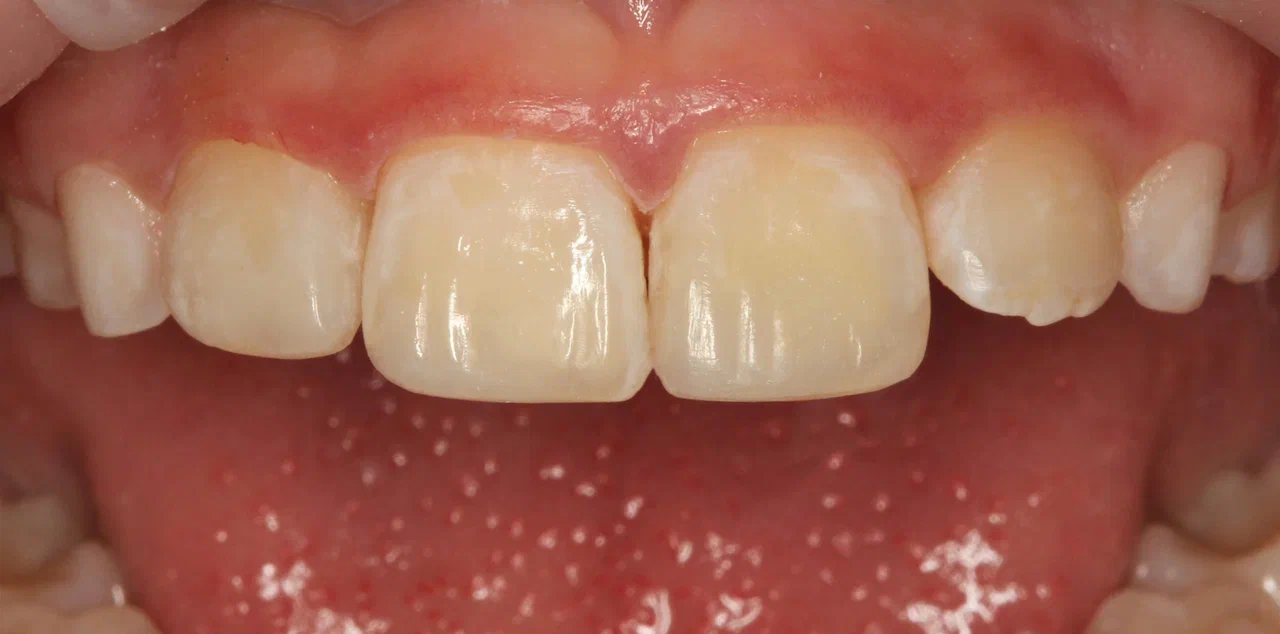
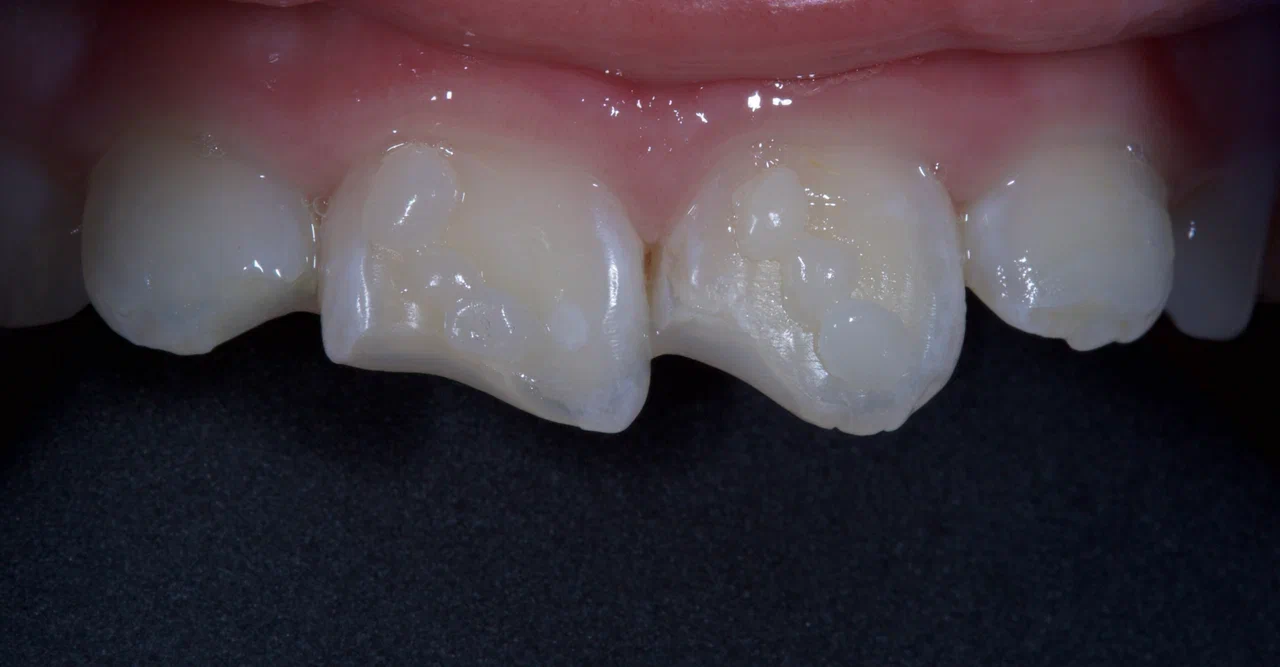
A child, 5 years old. The parents noticed a chipped tooth and were very worried that the child wouldn't experience pain.
After diagnostics (a targeted X-ray) a cavity was found. To keep the child calm, treatment was done under nitrous oxide. The whole procedure went smoothly and took less than an hour.
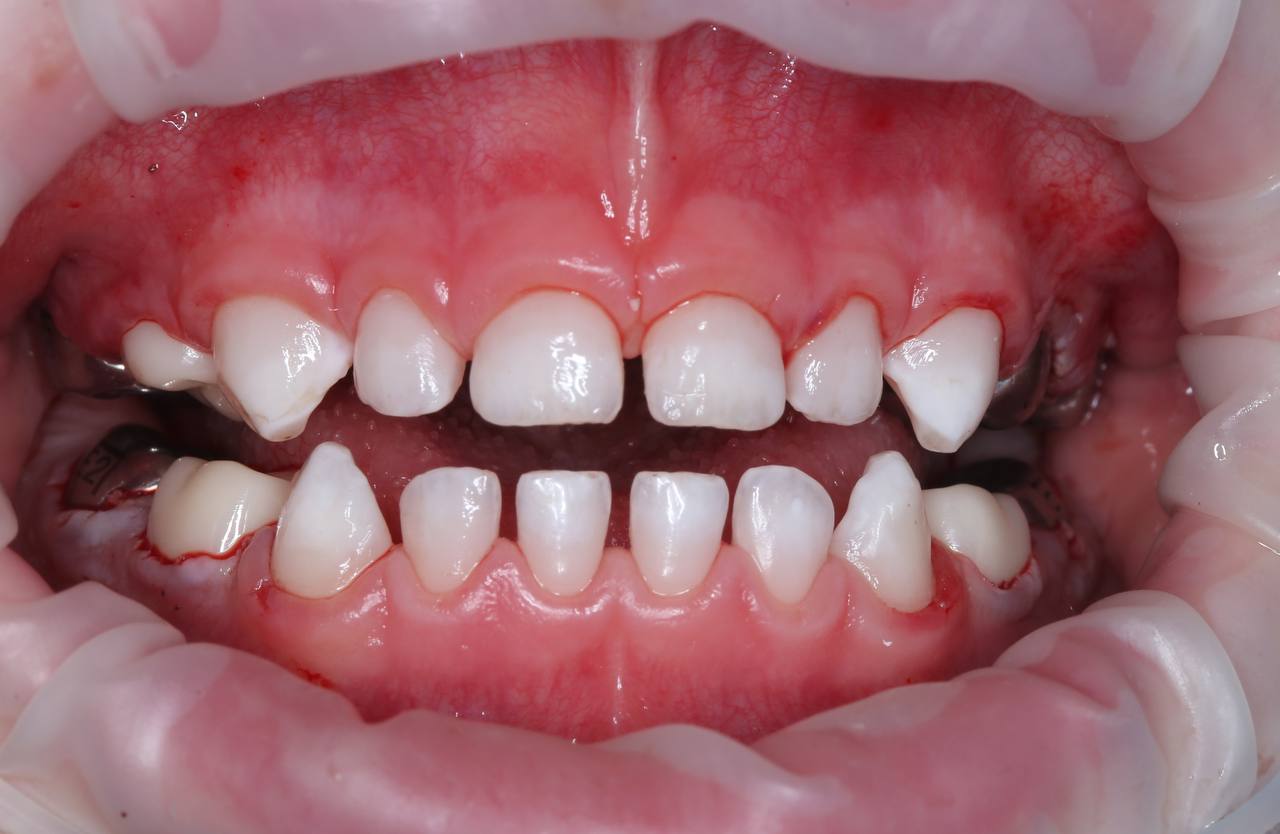
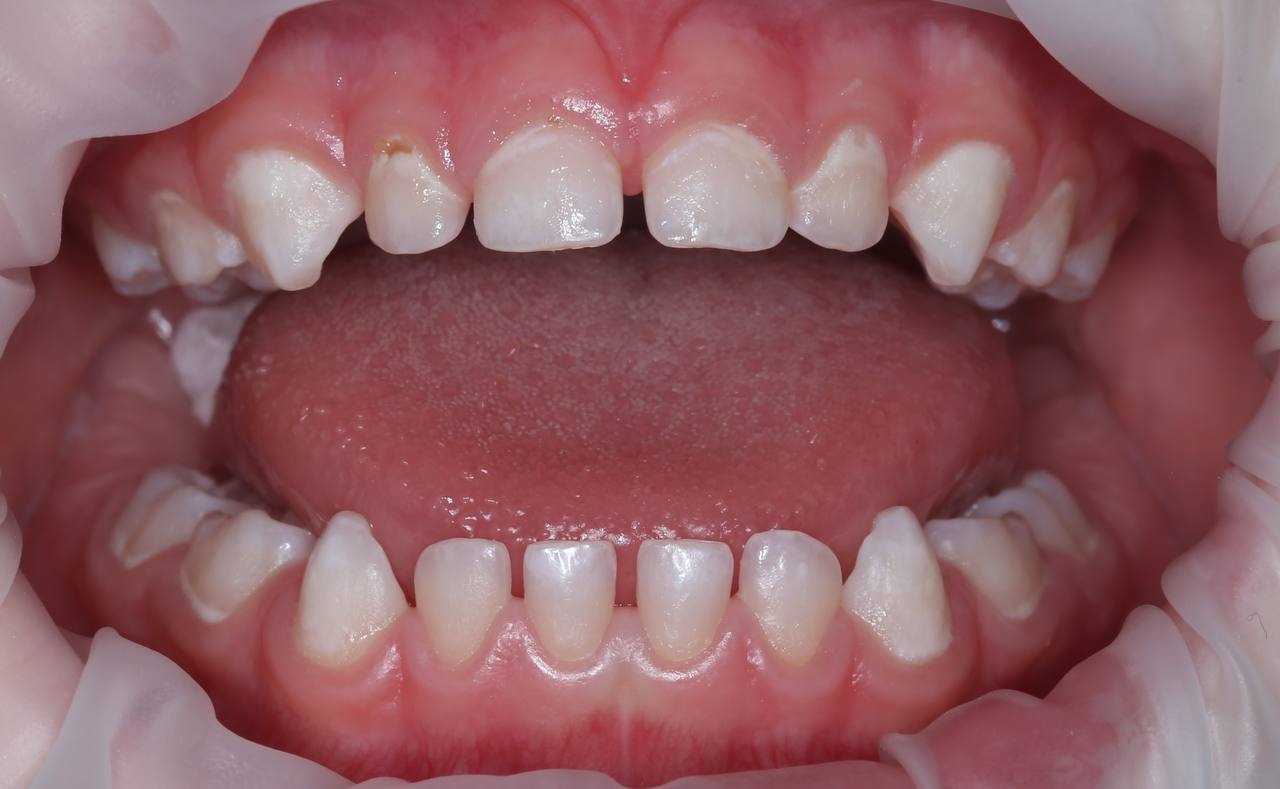
A mother came in with a 4-year-old child with complaints of white spots on the front teeth and cavities on the chewing teeth.
Treatment of 16 teeth was carried out under medicated sleep. Therapeutic treatment: 12 cavities and 4 cases of pulpitis were treated, and 8 teeth were restored with composite materials. Prosthetic treatment: 5 metal crowns were fixed and 3 zirconia crowns were placed on the chewing group of teeth.
Frequently asked questions (FAQ)