Children's adaptation visit to the dentist

A first appointment at which the child gets to know the dental office and the doctor without any painful procedures. It helps reduce fear and prepare for further treatment.
When is an adaptation visit needed?
Belaya Raduga
At a child's first introduction to the dentist (usually at the age of 1–3)
Belaya Raduga
If the child has fear or anxiety about the dental office
Belaya Raduga
When you need to prepare a toddler for treatment so that subsequent visits go more calmly
Belaya Raduga
Viktoria Aleksandrovna Gabeeva, head physician, dentist-therapist
“It's important that the child doesn't develop a fear of the dentist. An adaptation visit helps build trust from the first time, so that treatment becomes a calm and familiar process rather than a source of stress.”
What an adaptation visit is

An adaptation visit is an introductory appointment during which the dentist gently and playfully shows the child the instruments, the chair, and the main stages of the examination.

  • The child learns to open their mouth, feel the “breeze” from the handpiece, tries the water, and hears the “brush buzzing”.
  • All actions are explained in simple words so that it's clear and not scary for the child.
  • During the visit the child gets to know not only the doctor but also the atmosphere of the clinic: bright colours, cartoons on the ceiling, the chance to choose a gift at the end. All this creates a positive experience and builds trust.
  • The main goal of the adaptation visit is to make the dentist stop being a source of fear. If the child is comfortable, further treatment goes easily and without tears.
Belaya Raduga
Viktoria Gabeeva, dentist-therapist, head physician of Belaya Raduga clinic
“We try to make the child feel calm and comfortable at the clinic. But it's better to prepare them in advance: read books about teeth, watch cartoons — then the visit becomes easy and familiar.”
Stages of the adaptation visit

Greeting and getting acquainted

  • The doctor and assistant introduce themselves and show the instruments as “toys”

Introductory examination

  • The child sits in the chair, the doctor turns on the light, blows air, and checks with a little mirror

Playful exercises

  • Blows “bubbles” from water, counts the teeth, and lets the child touch the little brush and mirror themselves

Discussing the results with parents

  • The doctor explains which treatment stages may be needed and gives care recommendations
On the first visit we're in no rush to treat: the child rides in the chair, tries pressing the buttons, and plays “dentist” with a toy. The doctor might “treat” a teddy bear or show a secret drawing on the teeth with a lamp — so dentistry turns into a game.
Safety and care at every stage

We understand that the first visit to the dentist shapes the child's attitude to treatment for years to come. So we do everything to make the adaptation gentle and free of fear:

1

Step-by-step introduction

First the child plays and gets to know the chair and instruments, while the doctor explains everything in simple words.

2

A playful format

We use toys, cartoons, and little “secrets” to create positive emotions and remove anxiety.

3

Modern techniques

Even when anaesthesia is needed, we use topical gels and thin needles that the child barely feels.

4

Parent support

Mum or dad can be nearby, take part in the game, and help the child feel safe.

5

Positive associations

At parting, the child receives a gift and leaves with the feeling that dentistry isn't scary but interesting.

Belaya Raduga

“Our goal is not only to carry out the adaptation but also to give the child an experience of trust and confidence, so that every subsequent visit goes easily and without stress.”
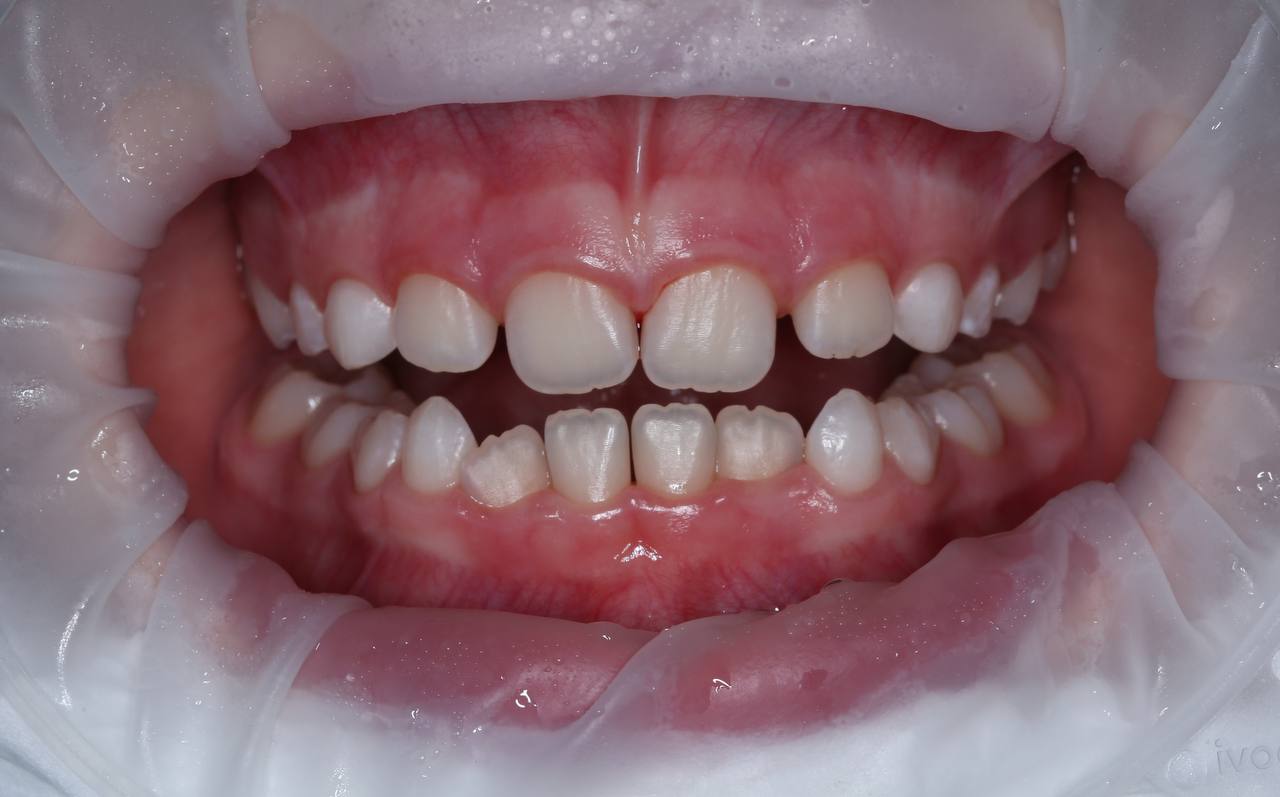
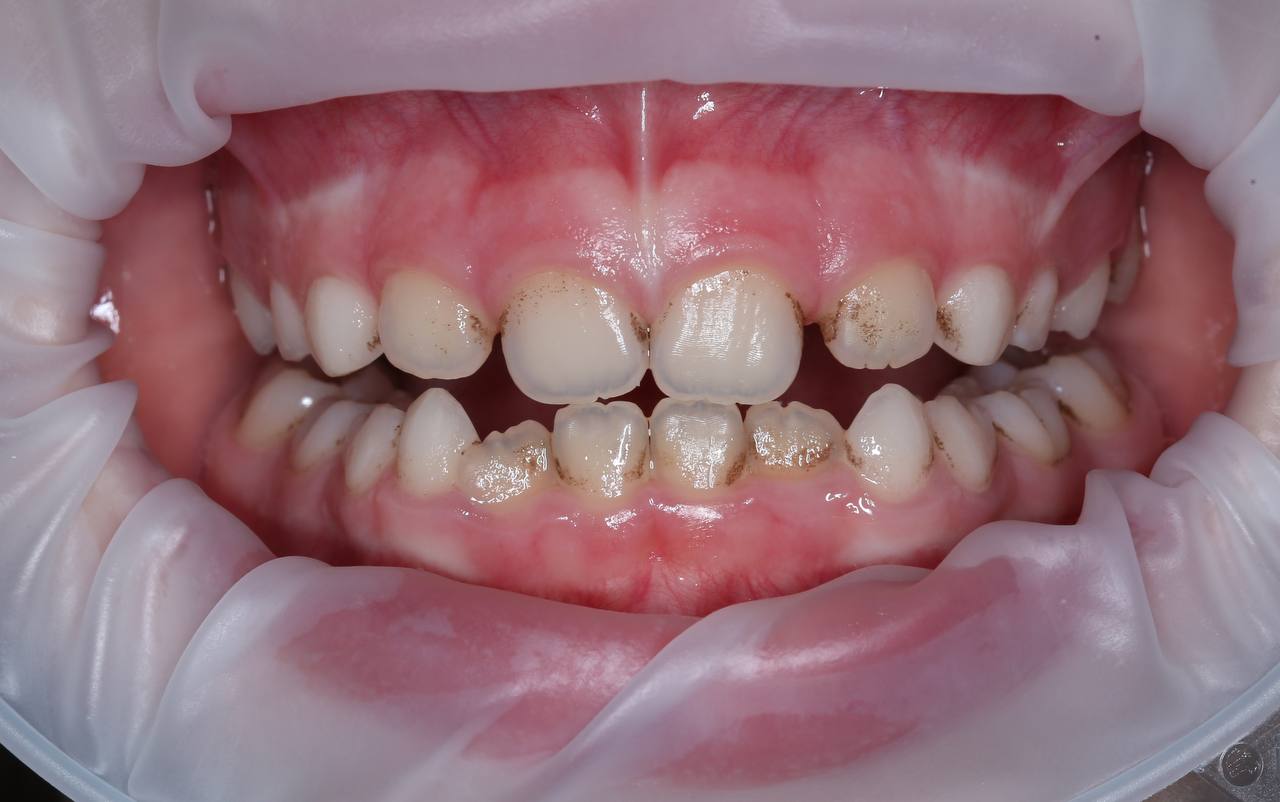
Treatment result
After
Before
Patient history

Мама с ребёнком 7 лет обратились с жалобами на появление тёмного и жёлтого налёта на зубах и недостаточную эффективность домашней чистки зубов ребёнка.

Treatment

Осмотр и диагностика, профессиональная гигиена полости рта, реминерализирующая терапия, обучение домашней гигиене, подбор средств гигиены. Лечение в 1 визит.

Doctor: Асанова Кристина Алексеевна
Our specialists
Reviews
Loading reviews...

Frequently asked questions (FAQ)

Do I need to prepare the child for the visit?
A little preparation at home helps the child feel more confident. You can read a book together or watch a cartoon about teeth, play “dentist” — count a doll's teeth or each other's in front of a mirror.
When is the next visit after the adaptation one?
The next appointment is scheduled in a few days or weeks, depending on the situation and the condition of the teeth. If the problem is urgent, we can treat right away, but we always try to make sure the child is ready.
Book an appointment
+7 (495) 132-31-03
CALL US
Belaya Raduga
Additional information
Pricing
Pediatric dentistry
Consultation with a paediatric dentistRUB 3,500
Follow-up consultation with a paediatric dentistRUB 2,000
Children's adaptation visit to the dentistRUB 4,300
Professional oral and dental hygiene (primary dentition)RUB 8,800
Professional oral and dental hygiene (mixed dentition)RUB 11,600
Restoration of a primary tooth with a metal crownfrom RUB 6,600
Tooth restoration with a ceramic crownfrom RUB 15,400
Treatment of pulpitis in a primary tooth with crown restorationfrom RUB 29,700
Treatment of a cavity in a primary tooth with metal crown restorationfrom RUB 16,000
Sealing the fissure of a primary tooth with sealantfrom RUB 5,000
Treatment of a cavity in a primary toothfrom RUB 13,200
Treatment of reversible pulpitis in a primary toothfrom RUB 19,800
Extraction of a loose primary toothRUB 3,600
Extraction of a primary toothRUB 6,600
Frenuloplasty of the upper/lower lipRUB 14,900
Tongue frenuloplastyRUB 14,900